Repeated upward lifting experiment
Product Code: TYKD
Categories:
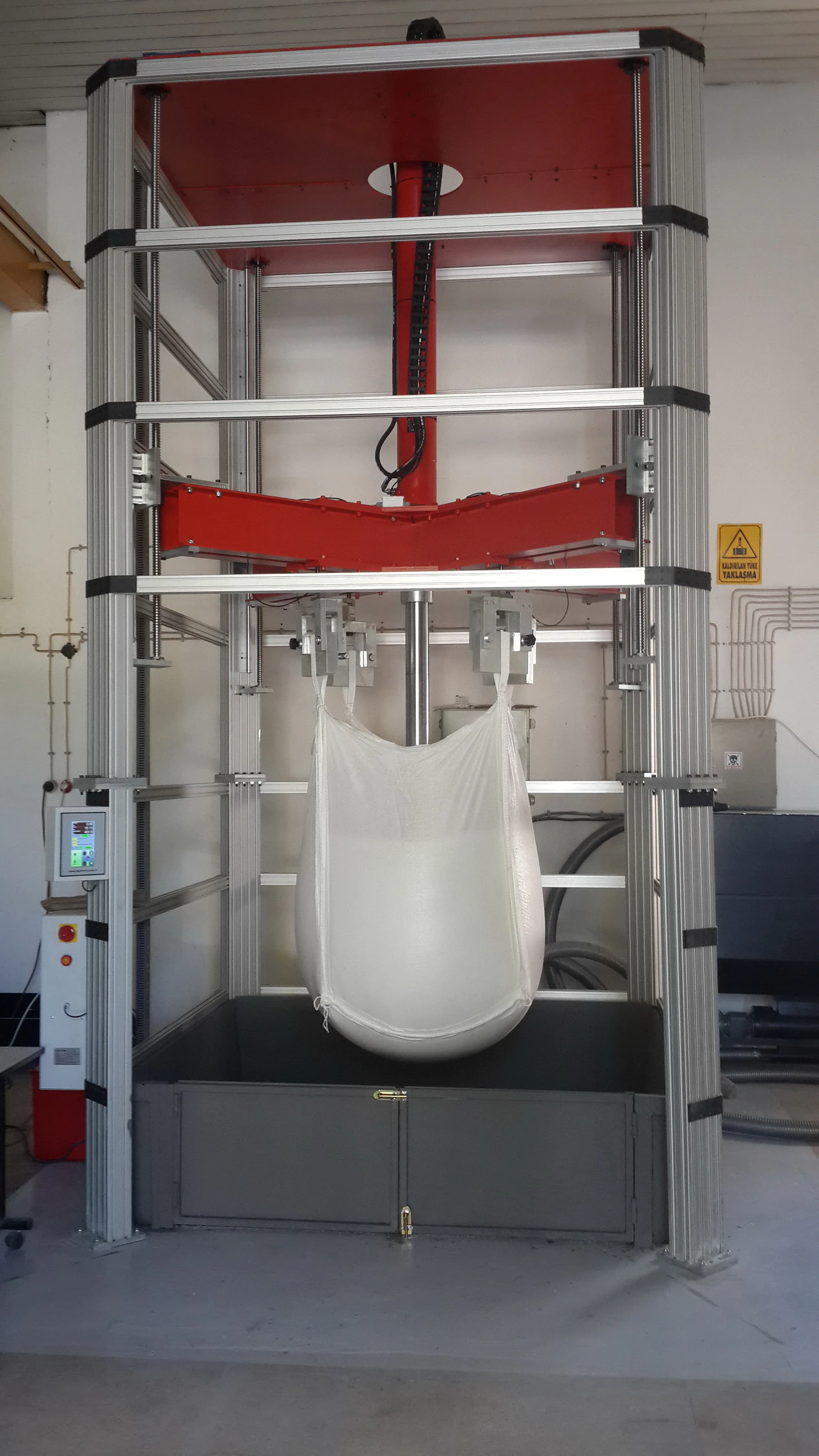
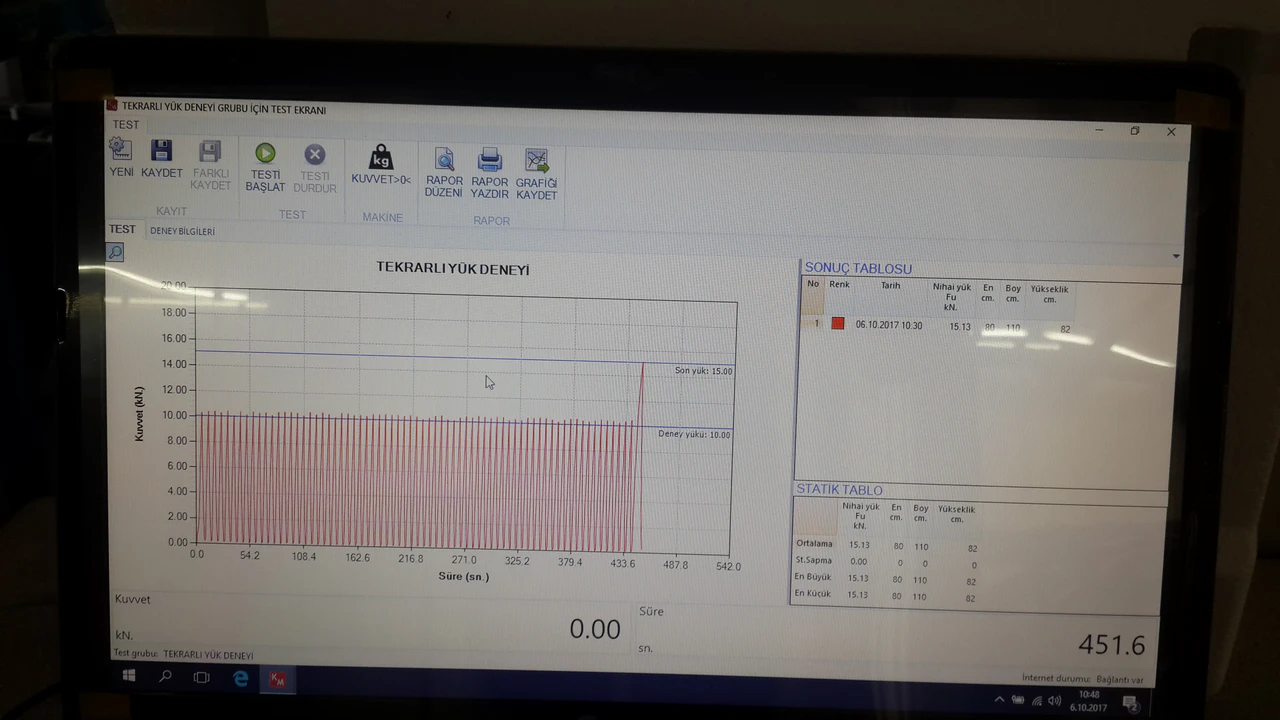
Repeated Uplift Test System
- The device meets the test conditions according to TS EN ISO 21898 standard and fully complies with the setup rules specified in section B.2 of the same standard. The setup used when applying downward force according to the standard is selected.
- The device has a maximum capacity of 200 kN.
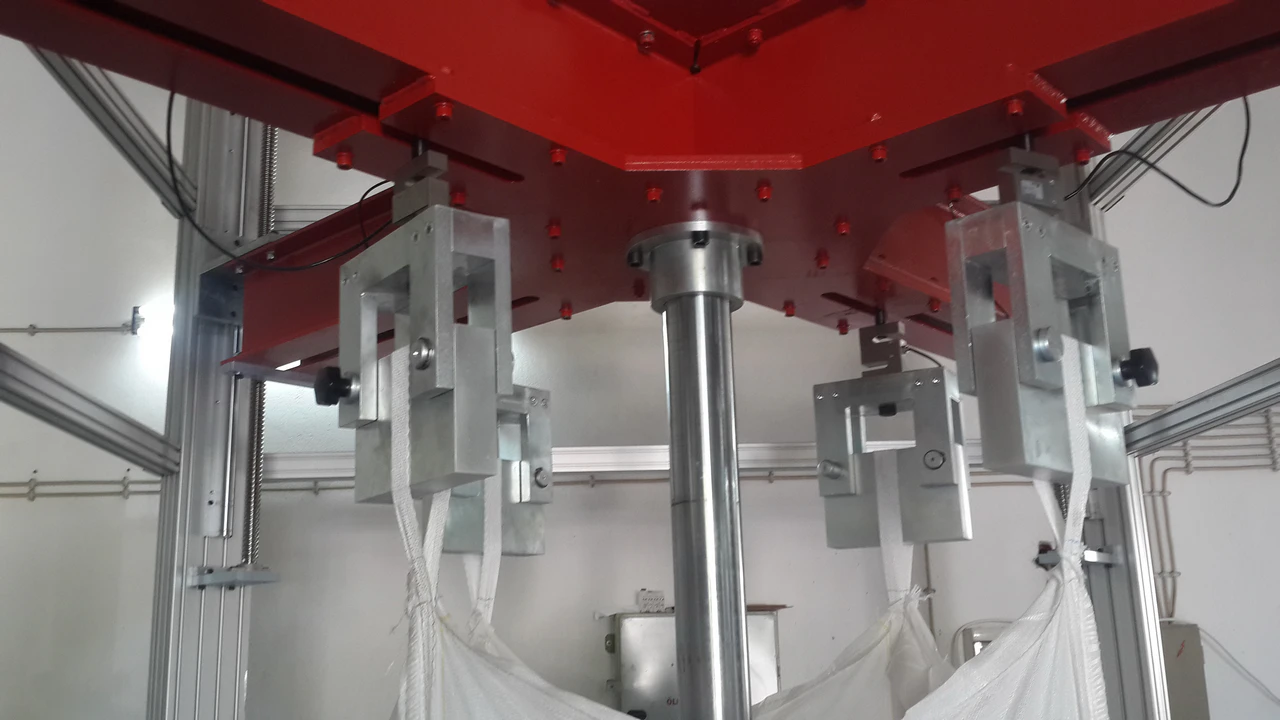
- The device has 4 load cells with a capacity of 50 kN each. These load cells are calibrated with international validity and Grade 0.5 accuracy in the range of 5%-100% of capacity.
- The force can be increased at a rate of 70 ±20 kN/min until the total force equivalent to the specified test load is achieved.
- The maximum time between two cycles is 30 seconds.
- The bag to be tested is suspended by 4-armed hooks using 4 load cells; The material to be placed in the bag is filled into the bag through a helical system and a hose attached to its end from a 2-meter deep area where the material is accumulated. At the end of the test, the material inside the bag is cut and poured back into the accumulation area.
- The force resolution is 0.01 kN.
- The device's load unit is TS EN 7500-1 Class 0.5.
- The device is suitable for testing samples with dimensions of 150 cm x 150 cm and a height of 250 cm.
- The sample connection points are motor-driven with a working movement area of at least 2 m.
- The device automatically resets at the beginning of the test.
- The device has an overload protection system.
- The device has an automatic breakage detection system.
- The device's piston has a movement capacity of up to 500 mm after touching the upper surface of the sample.
- The hydraulic cylinder operates at a maximum pressure of 150 bar.
- The device has an emergency stop button.
- The device can automatically perform the tests given in the standard.
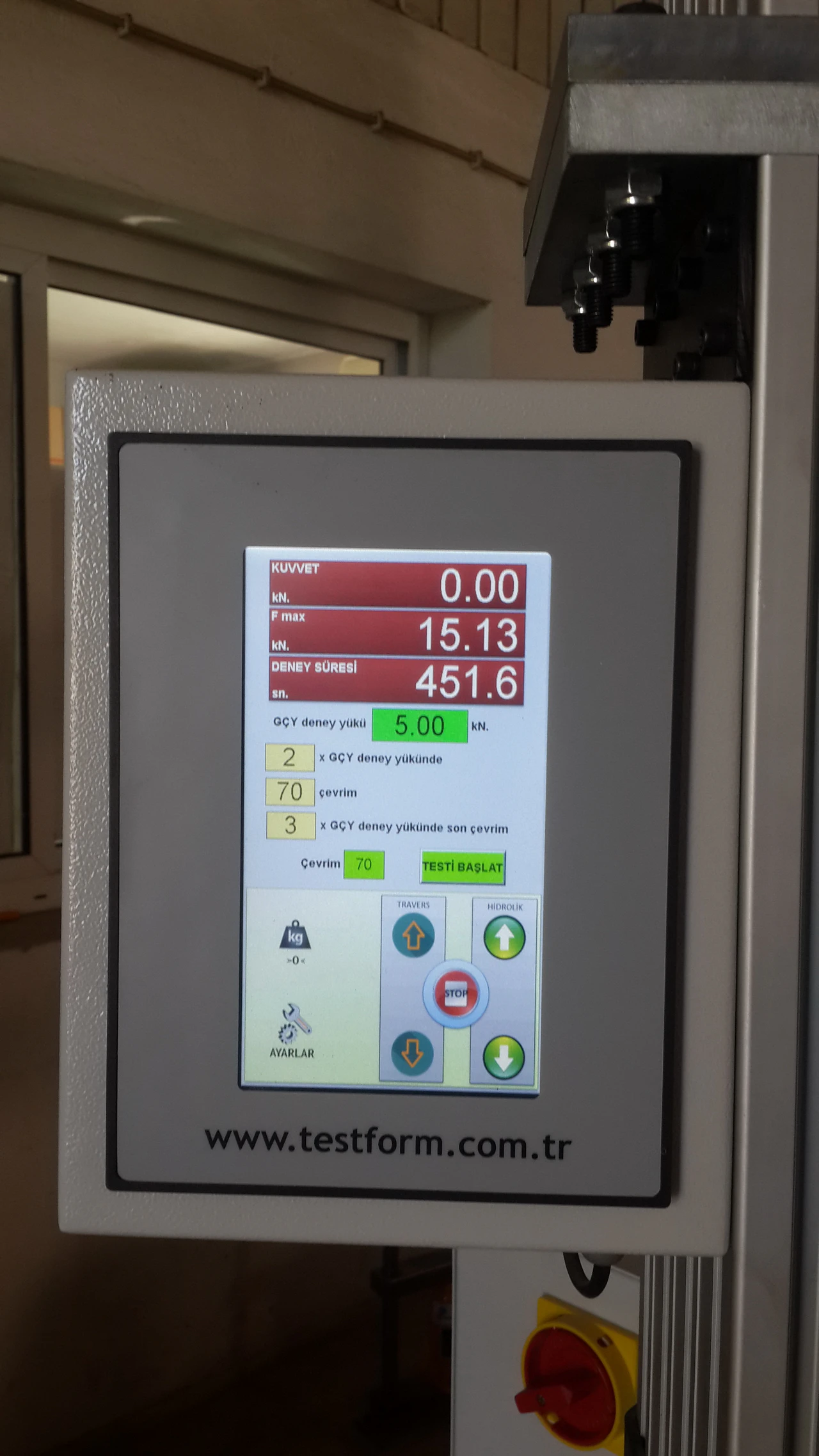
- The device has a 7" touch panel.
- The internal electronic communication speed is at least 10 kHz and the computer data transfer speed is 100 Hz.
- The device communicates with the computer via Ethernet.
- The device automatically displays all test results on the panel.
- At the end of the test, if requested, it has an automatic return feature.
- Data for each sample set is stored in separate files, and information is not deleted when switching to another test. The test report includes the description of the minimum test sample, material properties, type of test sample, preparation method of the test sample, how elongation was measured, and test results. Additionally, the test report meets the criteria specified in TS EN ISO/IEC 17025 standard, such as sample laboratory number, test date, sample sender, reference letter date and number, titles and signatures of the persons conducting the test. Derived data, tables, photographs, and logos can be included in test reports. Test reports can be exported in MS Excel and PDF formats.
- The device's operating voltage is 380V AC three-phase (triphase) with a frequency of 50/60 Hz.
- Along with the device, 4 m³ of plastic granular material will be provided for filling bags, with a bulk density ranging from 500 kg/m³ to 600 kg/m³, a mesh opening of 3 mm - 12 mm, and an inclination angle between 30 - 35 degrees.
- The device has protection against granules that may scatter if samples tear.
- Pressure plates with diameters of 750 mm, 820 mm, 940 mm, 1050 mm, and 1250 mm will be provided with the device. The plates are removable and attachable.
Helical Conveyor System for Sample Granule Filling
- All equipment of the Helical Conveyor and the devices and materials to be used in this equipment have corrosion-resistant metal surfaces.
- According to the Occupational Health and Safety Regulation, the exposed shafts and pulleys of the Helical Conveyor are enclosed.
- The Helical Conveyor has a control panel.
- Our helical conveyors have an emergency stop button for emergency situations, and when the button is pressed, the machine stops and does not work again until the start button is pressed.
- The Helical Conveyor is at least 14 cm in diameter and 6 m in length.
- The Helical Conveyor is head-driven by an electric motor.
- The device operates with a 2.2 kW 3 HP (380 volt) electric motor. The Helical Conveyor is installed with at least 25 m cable and a suitable panel.
- The speed of the Helical Conveyor is approximately 100 kg/min.
Related Products
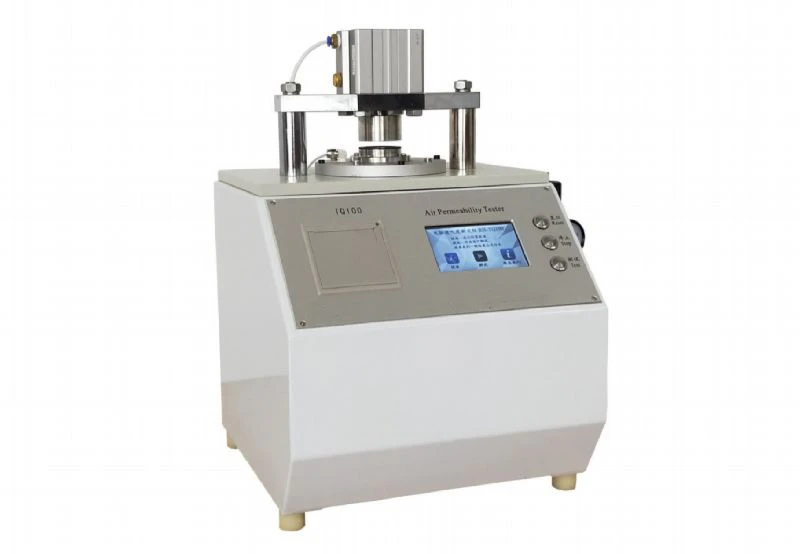
Air Permeability Testing Device - Schopper Method, Bentsen Method and Gurely Method
TQ100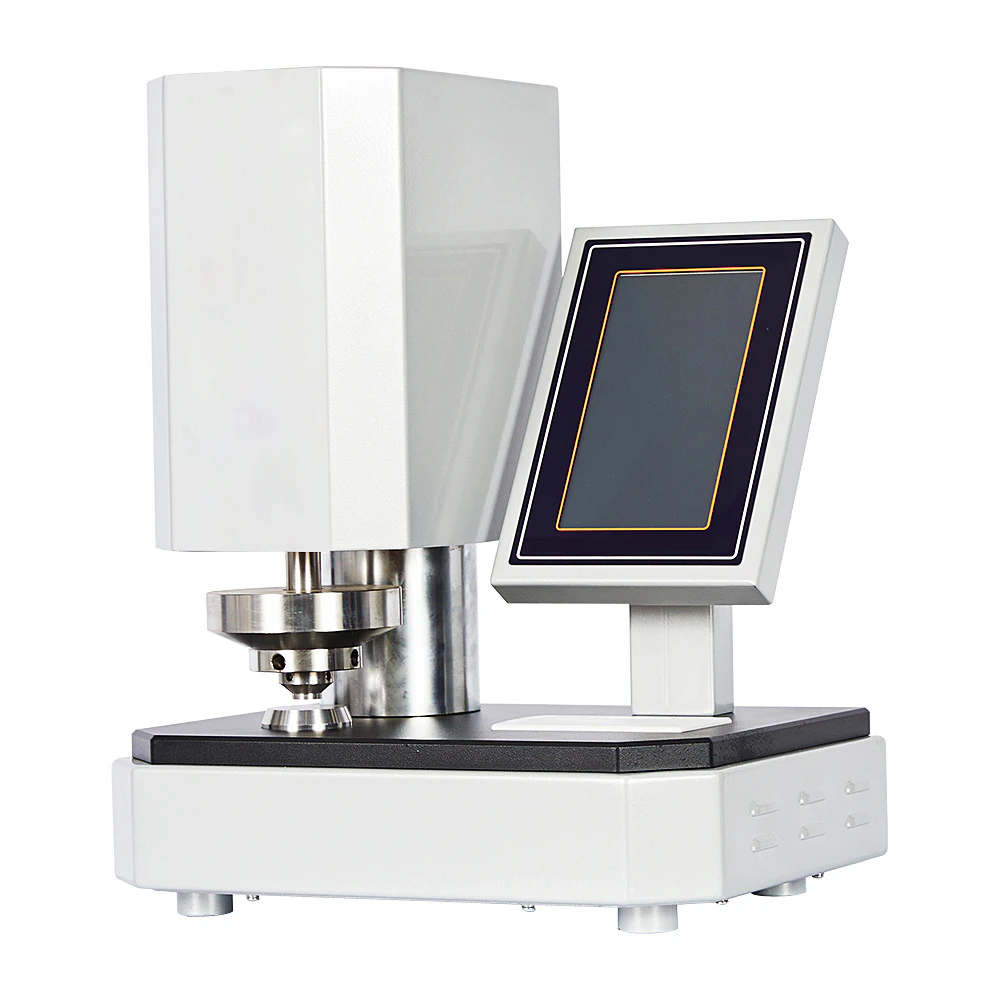
Electronic Thickness Testing Device
H4E-4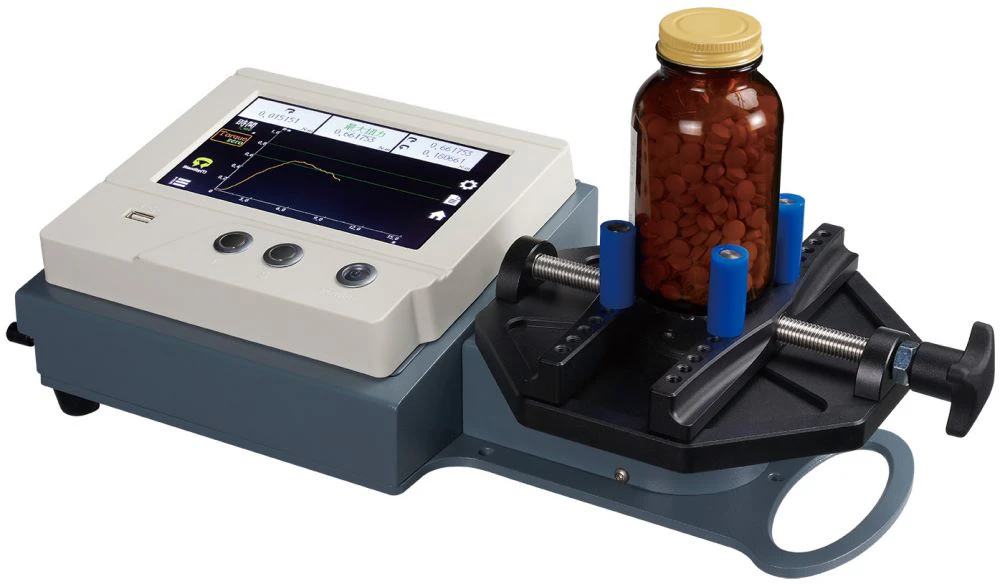
Manual Torque Testing Device
QT-010-1
Thermal Adhesion Testing Device
GBB-A
Package Drop Test Device
YT-DL1500
Thermal Shrinkage Testing Device
LTRSY-03
Determination of water absorption - Cobb method
Cobbl25